Mar 11, 2026
Future Health Technology: Smart Medical Textiles
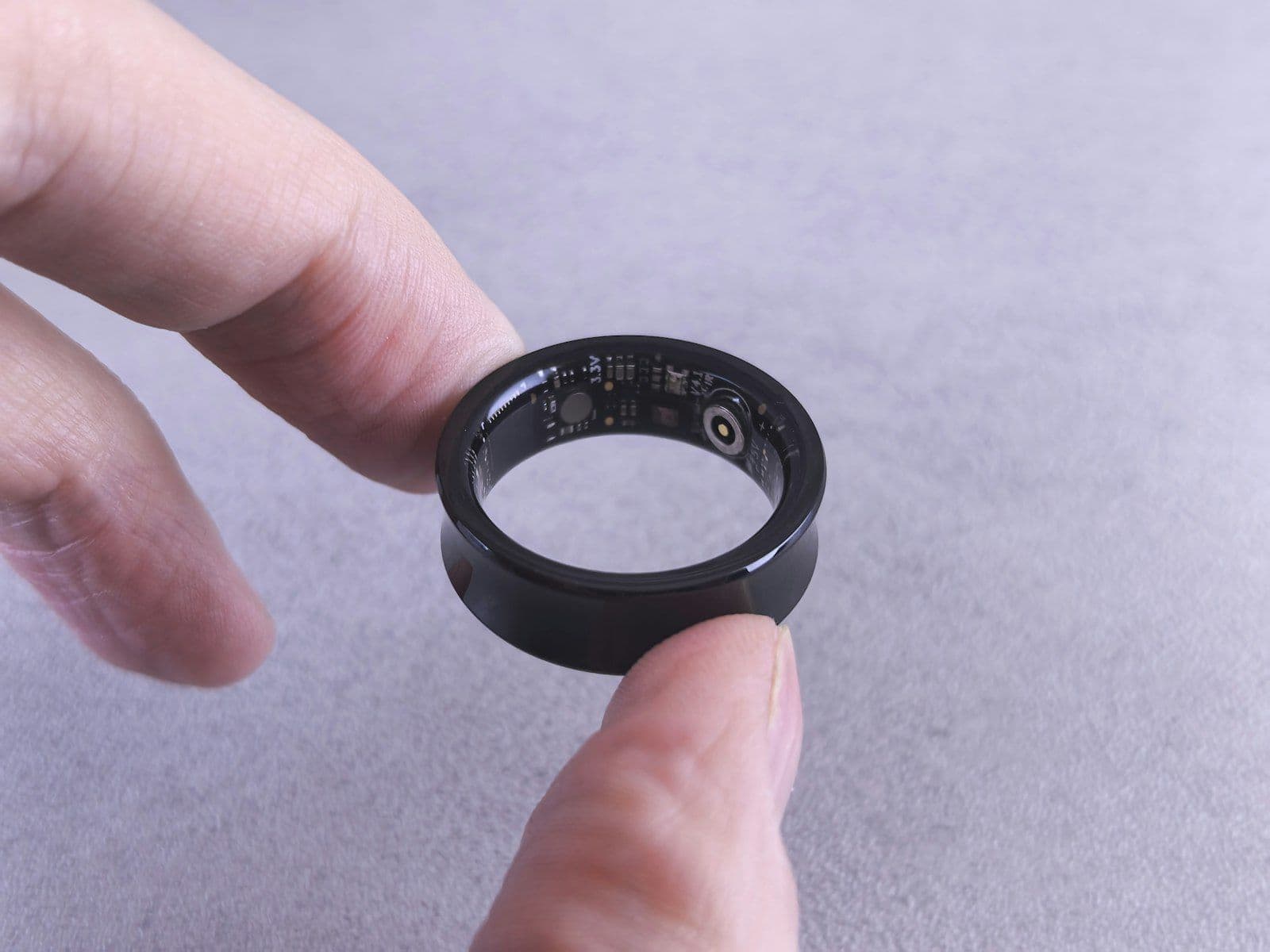
Smart medical textiles combine wearable sensors with moisture, temperature, and biomarker tracking, opening a new phase in treatment pathways.
Read More
Follow our content focused on health and medical textiles from this page.
Smart medical textiles combine wearable sensors with moisture, temperature, and biomarker tracking, opening a new phase in treatment pathways.

Vaginitis is not a single disease but an inflammatory condition with different causes. Common symptoms include discharge, odor, itching, and burning.
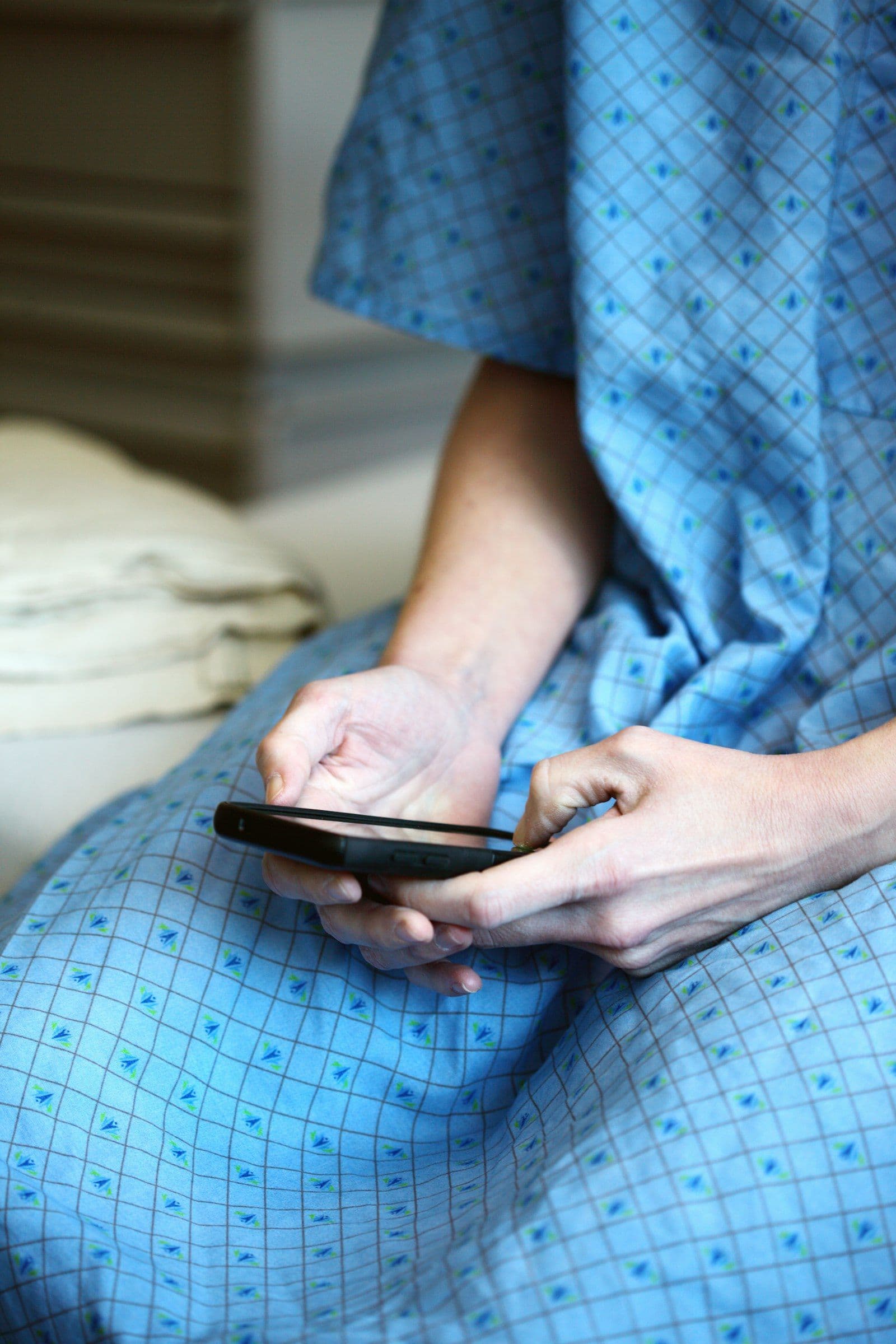
Patient clothing is not only about being dressed; it can be an active component of treatment through comfort, mobility, dignity, and care adherence.
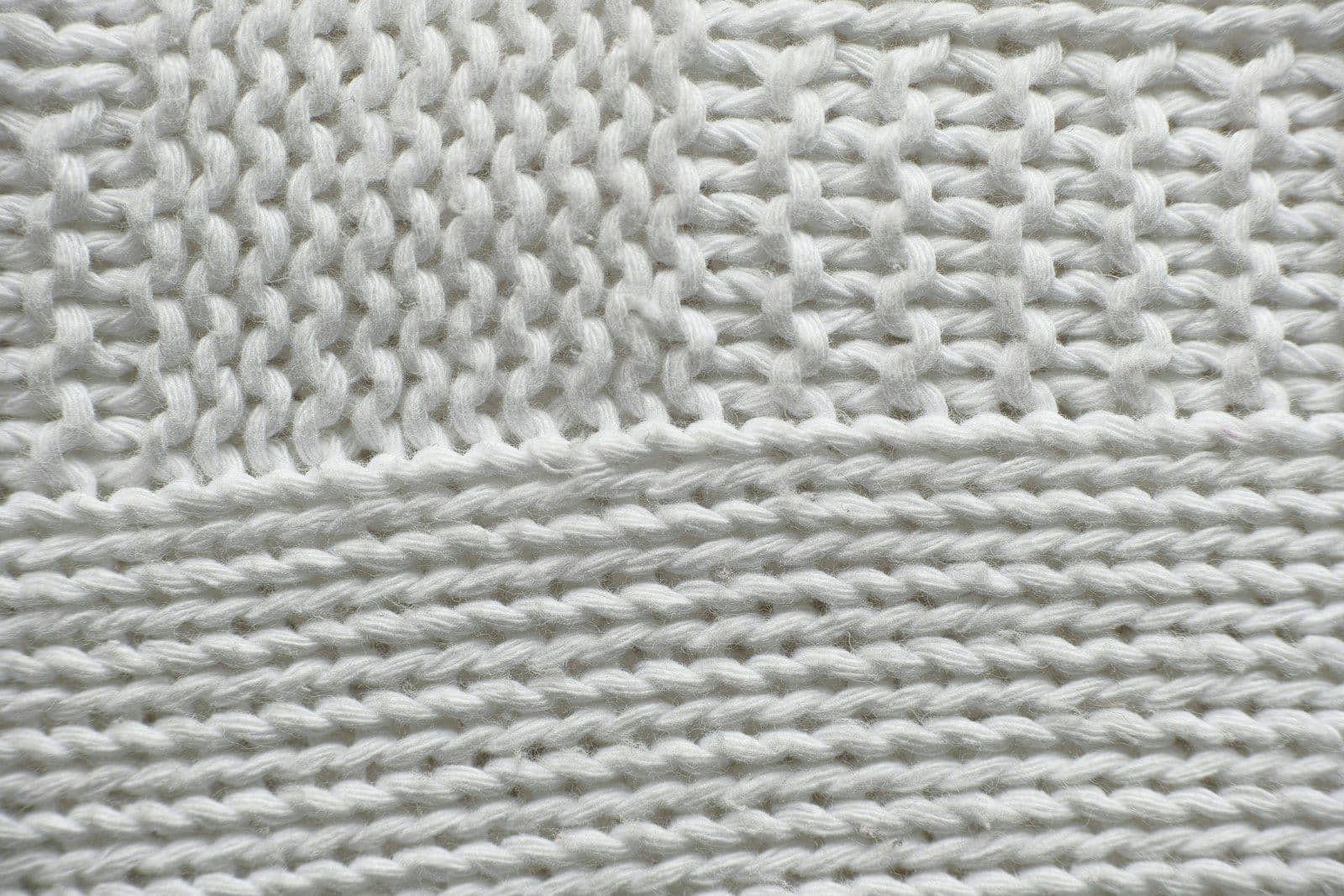
In vaginitis, underwear choice can directly affect comfort and daily symptom burden through moisture management and thermal balance.

In recurrent vaginitis, the issue is rarely a single mistake; it is often the combined effect of hygiene habits, product choices, and treatment adherence.
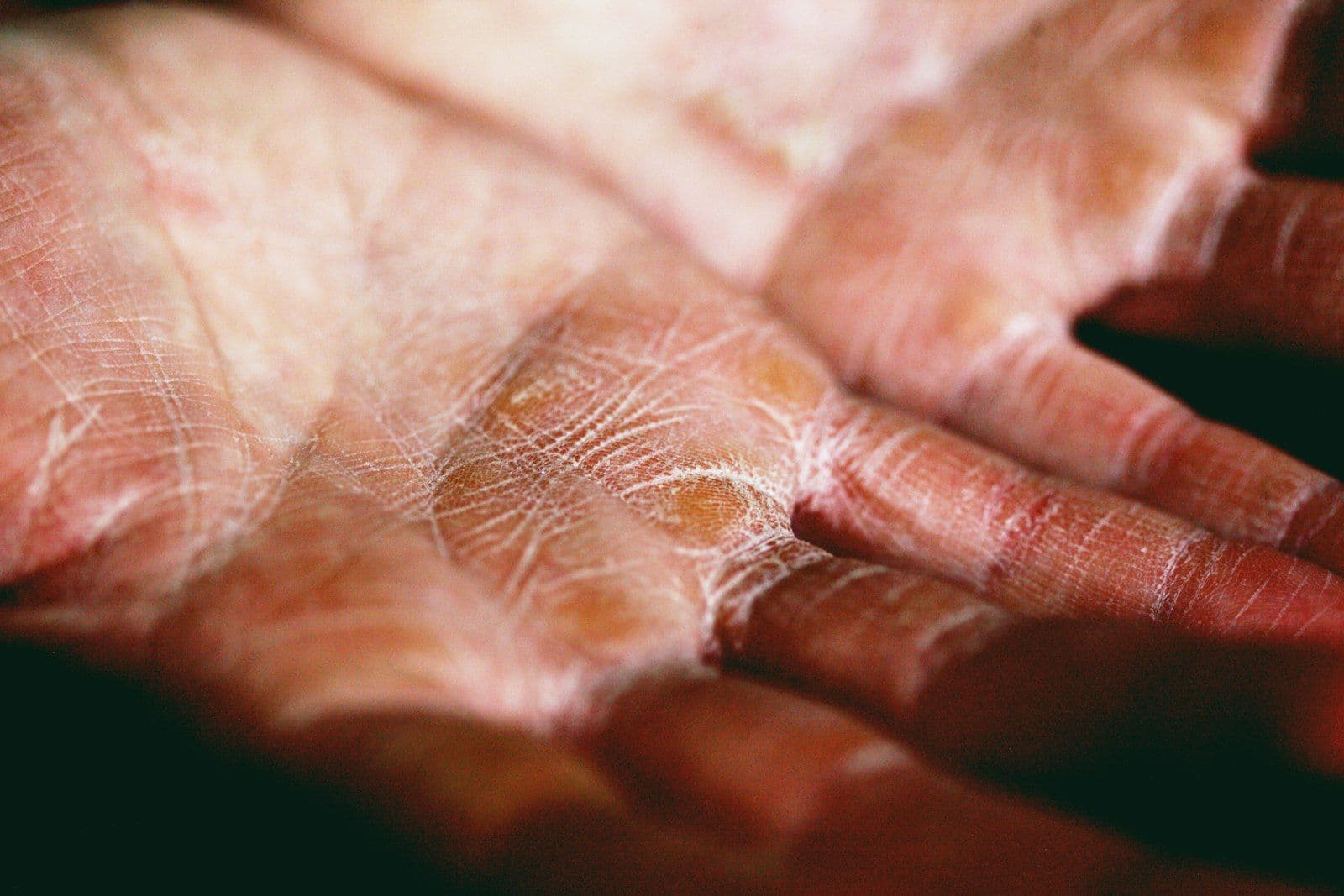
In atopic dermatitis, clothing choices can influence itch threshold and irritation cycles. Soft texture and low friction are key.

Patient clothing sits at the center of care experience, yet is often treated as secondary. Its impact ranges from comfort to dignity.

Antimicrobial textiles can provide meaningful value in the right design and use-case context, but they are not a stand-alone clinical solution.

Sustainable healthcare textiles matter not only for the environment, but also for long-term quality, cost, and operational efficiency.
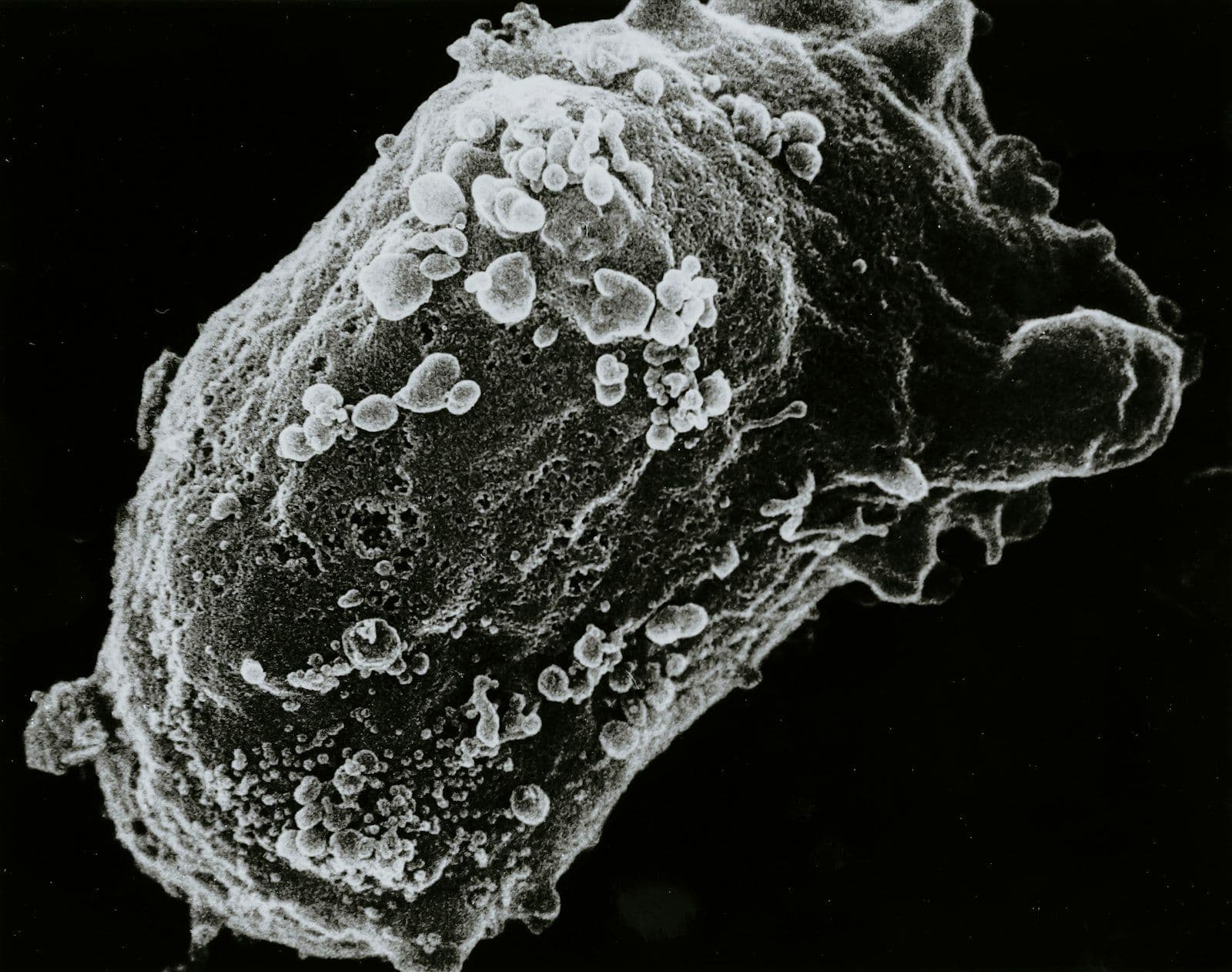
The vaginal microbiome is the balance of microorganisms living in the vaginal ecosystem. When this balance shifts, infection and symptom risk may increase.